
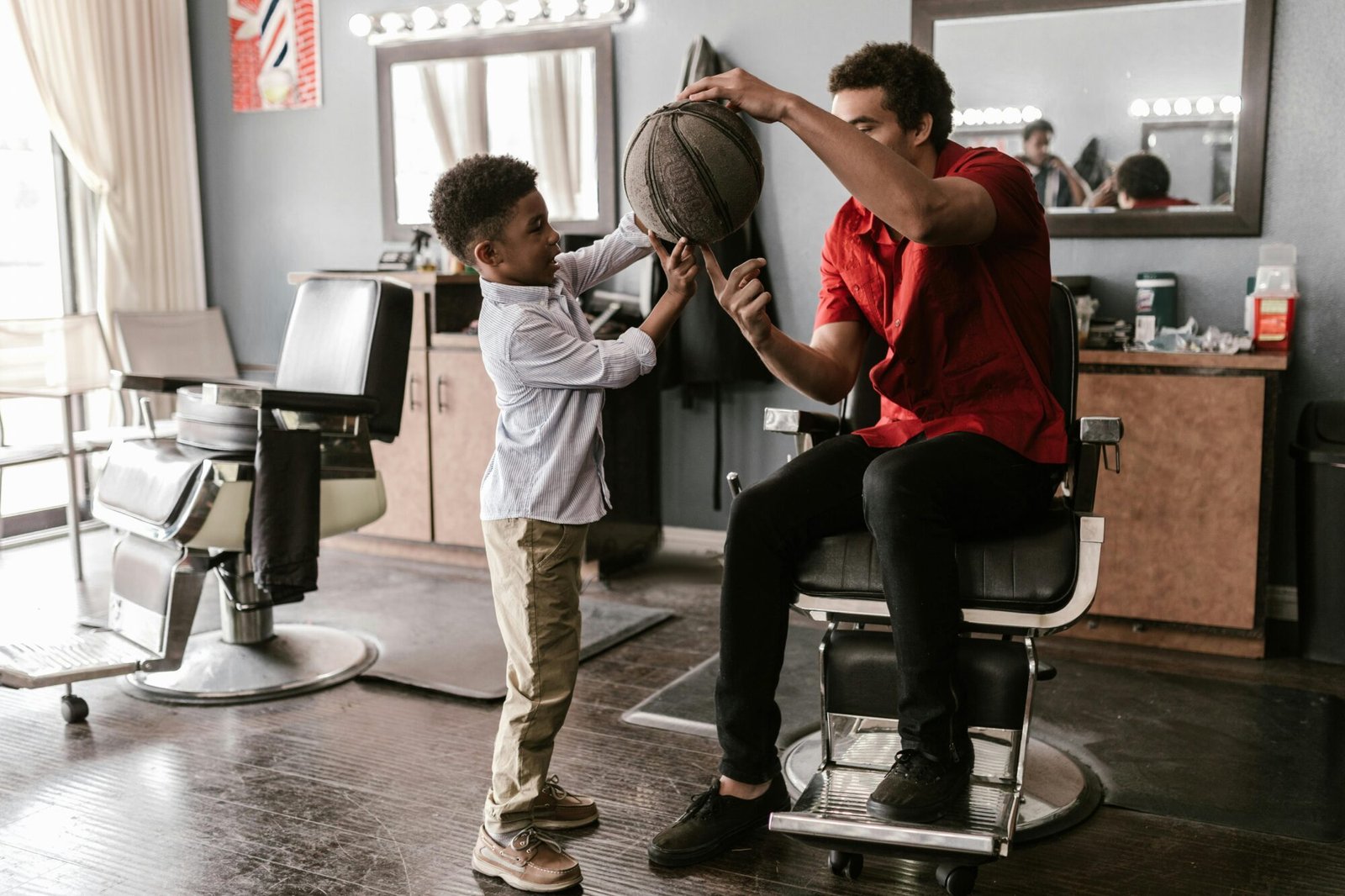

Father absence in South Africa is a critical issue. This piece explores "social fathers in South Africa": men who step in to provide guidance and support. It is about intentionally playing a fathering role, offering presence and support to children in need.
The absence of fathers in South Africa is one of the critical epidemics of our time. The number of children growing up without a biological father in their lives is among the highest in the world. This situation has severe and far-reaching ramifications. Without present, engaged, and supportive fathers, rates of substance abuse, mental health conditions, teenage pregnancies, and gender-based violence soar. The social fabric of families and communities begins to unravel. Yet, there is hope. The rise of social fathers in SA highlights a powerful positive force.
A man doesn’t need to be a biological father to play a fathering role and provide the benefits that fathering affords. More and more, social fathers are stepping into the gaps left by absent biological fathers. They give children and teenagers the guidance and encouragement they need to thrive and succeed.
What Social Fathering Means: Insights from the Frontline
George Mwaura, through his organisation Isiseko Imara, has been working as a sports coach and social father to children, especially boys, in seven communities in KwaZulu-Natal for the past 14 years. The experience has been nothing short of transformational.
“Social fathering goes beyond mentoring,” he says. “It’s about choosing – intentionally and consistently – to play a fathering role in a child’s life. To be physically present and emotionally supportive. To be curious about their interests and invested in their well-being. To show up for things that are important to them. To listen to them, challenge them and help them know themselves”. This positive male involvement is crucial.
Many young boys Mwaura works with are growing up without fathers in South Africa. They have very few men or male role models in their lives. Often, the men who are around them demonstrate toxic and destructive behaviours that the boys run the risk of imitating and repeating. “As one of many social fathers in South Africa, my responsibility is to dismantle these trajectories, to provide safety and security and to give them direction,” Mwaura explains. He also emphasizes a protective role: “I know there are men who prey on children – and that’s something we condemn without reservation. As social fathers and men in this country, we’re responsible for protecting children and keeping them away from abusers”.
A Story of Transformation: Thando’s Journey
In 2010, Mwaura facilitated the first Boys 2 Men camp, educating young boys on the journey into manhood. Of that group, 75% didn’t have fathers. It was there he met Thando Mzimande, then 10 years old. Thando joined Mwaura’s basketball team, and their relationship grew from players to friends, and eventually, to father and son. “[Thando] taught me how hungry boys are for father figures in their lives and what a positive impact playing social fathers in South Africa can have,” Mwaura reflects.
Thando Mzimande shares his perspective: “George was there for me physically and emotionally. He paid attention to the clothes I was wearing and my situation at home. He saw how angry I was because I didn’t have a father. And he supported me and cared for me, so much so that he prevented me from falling into dangerous situations, like getting into drugs or dropping out of school”. Today, Mzimande is a confident young man who has started his own basketball programme, engaging 60 young people and paying his experience forward. He and Mwaura remain close friends.
Becoming Social Fathers in South Africa: A Conscious Commitment
Mwaura notes he shares his approach with other social fathers, like Nkosinathi Sixabayi, the Western Cape Lead of Fathers Matter. Sixabayi is both a biological and social father and had several social fathers in his own life. “Those who invested in my life provided guidance and helped me become the best I could be,” Sixabayi explains. Today, he invests in other children because it was modelled to him. “Many call me their father because of the love and care I give them,” he says. “Social fathers can make a difference in children’s lives and have a role to play in helping to address and prevent gender-based-violence”.
For a social father’s contribution to be meaningful and effective, it must be a conscious and deliberate act. It must also be consistent. “Be reliable and don’t create expectations you can’t meet,” Mwaura advises. “The children you’re likely to work with have had adults – and especially men – let them down in such profound ways that their trust is fragile. You have a responsibility to keep your promises”.
However, young people are not looking for perfect father figures. “You simply have to be available, honest and show an interest in getting to know them,” Mwaura clarifies. “If you have the opportunity to guide, support and raise a child, do so gently, lovingly, consistently and patiently. The benefits for them, for you and for South Africa’s families and communities are beyond what you can imagine”. These role models for youth are invaluable.
Where Can I Find Help to be a Social Father?
For those looking for support in being a good father or social father, Heartlines’ Fathers Matter WhatsApp Coach offers tips and advice by WhatsApping “Hi” to 060 058 2107. Another organisation contributing to positive fatherhood narratives and support is Sonke Gender Justice, which works across Africa to promote gender equality and positive masculinity.
If you have been inspired to make a difference or know someone who could be a social father, consider what small, consistent steps can be taken. The need for positive male involvement and dependable role models for youth has never been greater.
What are your thoughts on the role of social fathers in SA? Share your experiences or ideas in the comments below.
Help raise awareness about this important issue by sharing this article, and subscribe to our weekly newsletter for more stories on community building and youth empowerment in South Africa!