
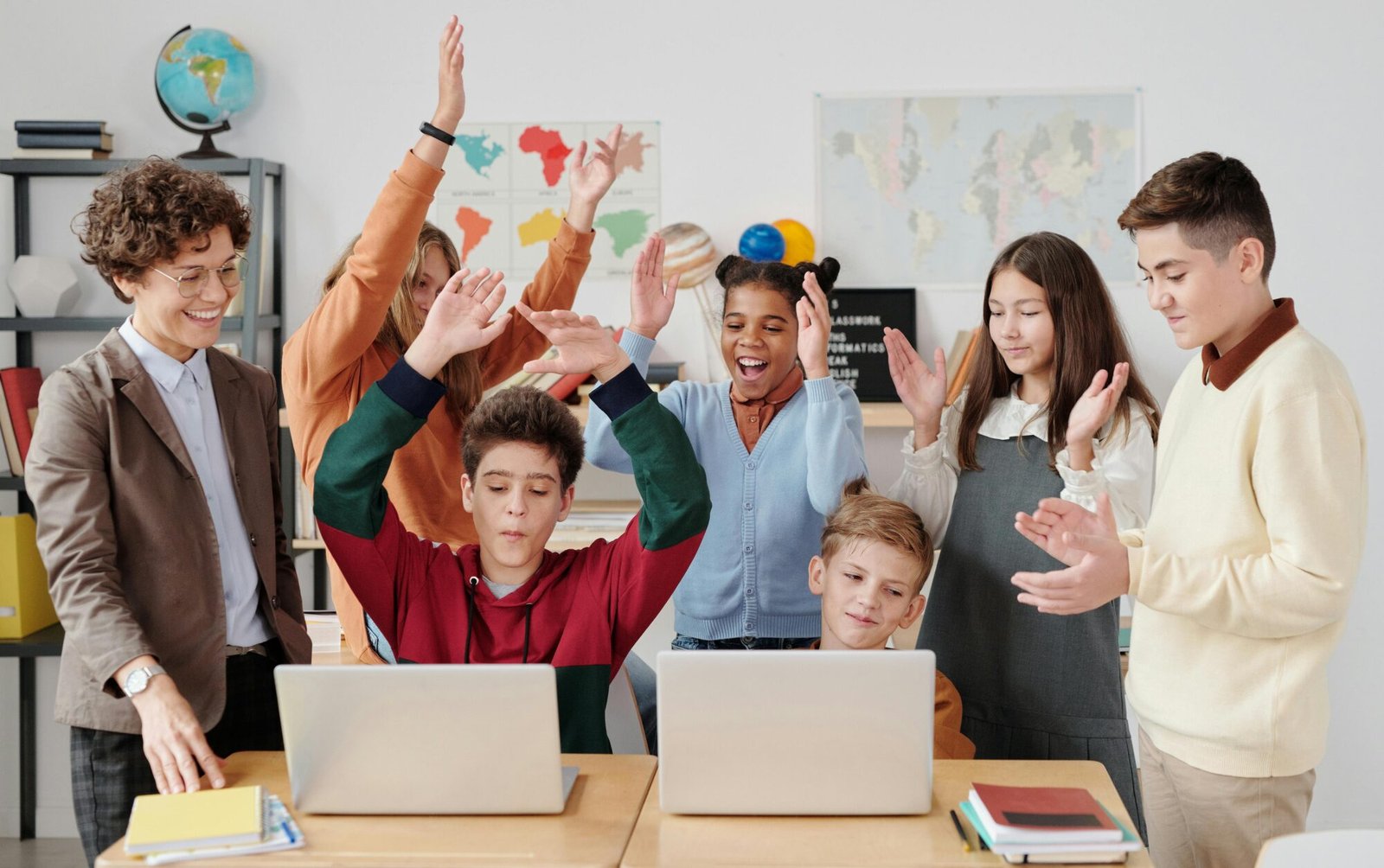

Connected classrooms are revolutionising the education system in South Africa, unlocking students’ potential in unprecedented ways. This article highlights how internet access can change the face of education, making learning easier, more effective, and engaging for all students.
Internet access today feels as essential as oxygen; many of us find it hard to imagine life without it. This sentiment is strongly shared by students, parents, and educators, as the internet has simplified learning, making it more effective and engaging through access to online educational resources. The benefits connected classroom environments offer are revolutionising the educational landscape, unlocking student potential in unprecedented ways.
Lianne Williams, Marketing Director at Vuma, states, “The connected classroom can change the face of education in South Africa, giving students across the country access to the same learning opportunities and quality of education”. She further emphasizes that “Ensuring that every student not only has access to the Internet in these spaces, but that they’re empowered to make the best use of the resources it opens up to them is crucial in changing the educational landscape in SA for the better”. This is particularly relevant for fostering technology enhanced learning in South Africa.
The advantages of a connectivity-enabled classroom are numerous, ranging from accessing millions of learning resources to finding a community within the learning space. Let’s explore some ways the internet can transform learning.
Keeping Students and Educators in Touch
When students encounter difficulties, such as understanding a complex maths equation or needing help with a tricky science concept in their homework, they might be tempted to give up. The availability of a WhatsApp group or access to other instant messaging apps with peers and teachers enables them to work through challenges promptly, overcome potential disruptions, and continue their learning journey. This is a significant advantage of digital tools for homeschoolers, who can connect with tutors or study groups online.
The School of YouTube and Beyond
YouTube videos can be an excellent source of information for students, especially for those who grasp information more easily through audiovisual means. For educators, YouTube and other online video platforms can supplement lesson plans, aiding students in engaging with new subjects and concepts. Platforms like Khan Academy also offer a vast library of free educational videos across various subjects.
Making Learning Fun and Engaging
The traditional classroom often involved children sitting quietly and reading from textbooks. We now understand that the most impactful learning occurs when children can see subjects come to life and can relate what is being taught to their familiar experiences. Digital tools such as animation, popular memes, GIFs, virtual games, and music are now more commonly used to support students on their educational journeys. This interactive approach is one of the key benefits connected classroom models bring.
Supporting Differently-Abled Students
Students with learning, hearing, visual, and physical disabilities require special educational resources. Educators can support these needs by making more extensive use of online resources specifically designed for such circumstances.
- Online learning resources that incorporate sign language and graphics are available for the hearing-impaired.
- Audiobooks can be used for the visually impaired.
- Alternative teaching methods are available for those with learning disabilities. These are just some examples of what educators can use to supplement classroom learning. The “anytime, anywhere” nature of the internet also means that students with physical disabilities, who might find it hard to attend classes or miss school, can attend online classes at home or watch lesson recordings in their own time. This makes inclusive learning technology a reality.
Learning in Their Own Language
For students who struggle in English-medium classes, learning can be an isolating and frustrating experience. Access to translation apps, online dictionaries, peer forums, and even multi-vernacular learning materials in a connected classroom can help break down language barriers, making the learning process much smoother. This addresses a significant aspect of the internet impact on education for diverse populations. Websites like the South African National Lexicography Units promote and provide resources for all official South African languages, which can be a valuable starting point.
How has connectivity in a connected classroom transformed your teaching or your child’s learning experience in South Africa? Share your insights and favourite online educational resources in SA in the comments below!
Spread the word about the power of connected learning by sharing this article, and subscribe to our weekly newsletter for more tips and resources on leveraging technology in education!