
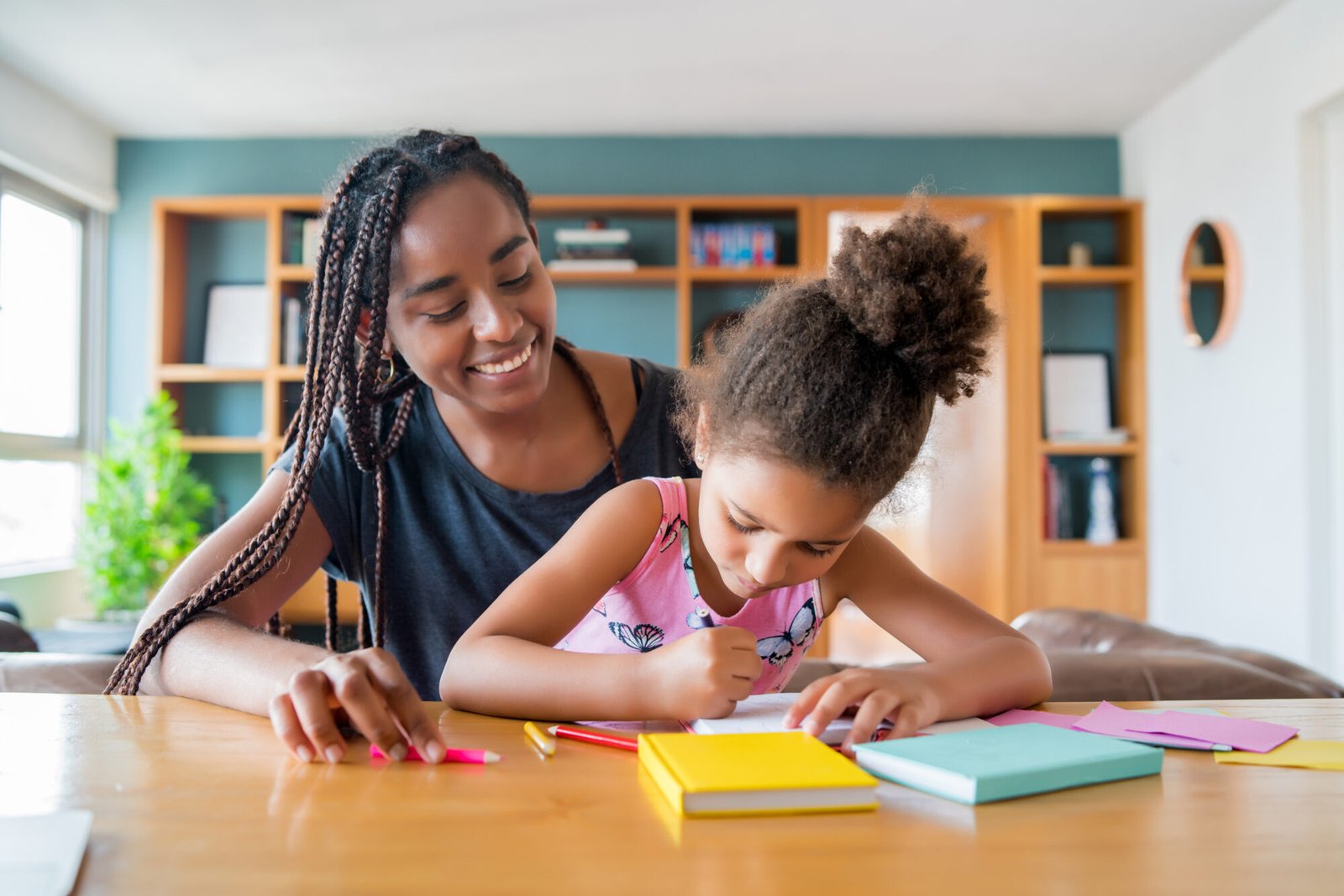

The prospect of homeschooling can be exciting and opens up many options for families. However, thorough preparation and understanding are needed before taking this approach, particularly concerning the legal landscape. This guide offers four key considerations for parents looking into homeschooling in South Africa.
The journey of homeschooling in South Africa is becoming an increasingly popular choice for families. Reasons for this shift are diverse, ranging from the need for educational flexibility due to parental mobility, addressing the specific learning needs of a child, to the scarcity of placements in preferred local schools. If you are contemplating this educational path, understanding the foundational steps is key to a smooth and rewarding experience.
This guide, with insights from Colin Northmore, Principal of Evolve Online School, outlines four critical areas to help you begin your homeschooling adventure confidently.
1. Understanding Homeschooling Laws South Africa
Before you begin, grasping the legal requirements is paramount. “Understanding and adhering to the legal framework set by the South African Schools Act is crucial,” Northmore states. “Parents must apply for permission to homeschool through the provincial education department.”
- Application Process: This involves notifying the department, registering your child, and submitting a detailed learning plan. This plan needs to align with national education standards.
- Compliance is Key: Meeting these legal obligations legitimises your homeschooling setup and provides a structured educational foundation.
- Support from Providers: The process might seem complex. “It can be daunting, but it’s easily solved if you choose a curriculum where your provider supplies the learning plan,” Northmore advises. “A good online school will be able to assist parents and provide expert support in this regard.” The Pestalozzi Trust, a South African homeschool legal defence association, also offers valuable resources and support for navigating these legalities.
Recent statistics indicate a significant rise in homeschooling registrations. According to a report by the Independent Schools Association of Southern Africa (ISASA), the interest in alternative schooling methods, including homeschooling, has seen a steady increase post-2020, reflecting a global trend adapted to the South African context.
2. Choosing the Right Homeschool Curriculum SA
Selecting an appropriate curriculum is perhaps the most defining step in your homeschooling in South Africa journey. South Africa provides access to various local and international curricula, each offering a distinct educational philosophy.
- Tailoring to Your Child: “This is probably the most important step, because it defines the limits and opportunities for your child,” Northmore explains. “Parents should consider their child’s learning styles, interests and future educational goals when selecting a curriculum.”
- Variety of Delivery Models: Homeschooling providers differ significantly. Some may only send materials via post, while others offer a full-time virtual school experience. You might find schools with qualified teachers and small classes, or lecture-style sessions with many students.
Questions to Ask Potential Providers:
- What matriculation examination will my child write?
- Is the provider registered with a recognised examining body, and what quality assurance processes are in place?
- Will qualified teachers manage my child’s learning? Are live classes offered, and what are the class sizes?
- How does assessment work?
- Does the provider use an innovative approach to teaching?
- Will the curriculum offer a future-focused education?
- What technology is required, and how is it integrated?
- How much parental involvement is expected?
- Are there opportunities for peer interaction and social development?
- Can the provider accommodate learners with physical challenges or neurodiversity?
3. Creating an Effective Learning Environment at Home
Transforming a section of your home into a dedicated learning zone is about establishing an atmosphere conducive to learning and growth.
- Dedicated Space: This does not mean you need a replica of a classroom. It could be a quiet corner, a specific desk, or even a flexible space that signals “learning time.”
- Consistent Routine: “A consistent routine that balances academic, physical and creative activities is essential,” Northmore notes. This structure helps children understand expectations and manage their time effectively.
- Flexibility Advantage: One of the primary benefits of homeschooling is its adaptability. You can adjust the learning environment and schedule to better suit your child’s individual needs and learning rhythms, a significant advantage over conventional schooling. Many homeschooling parents in South Africa find that a flexible schedule allows for more real-world learning experiences, such as visits to museums or nature reserves.
As Shirley Erwee, a veteran South African homeschooling parent and author at SAHomeschoolers, often says, “The beauty of homeschooling is its ability to adapt to the child, not forcing the child to adapt to a rigid system.”
4. Engaging with the Homeschooling Support South Africa Community
Homeschooling does not mean schooling in isolation. Actively connecting with the wider homeschooling in South Africa community provides immense support and opportunities for sharing resources.
- Networking Benefits: Connecting with other homeschooling families can provide practical advice, emotional support, and shared learning experiences.
- Professional Advice: Do not hesitate to seek guidance from educational consultants or therapists if needed.
- Extracurricular Activities: Enrolling children in extracurricular activities like sports, arts, or clubs ensures they develop social skills and pursue interests beyond academics. Many local community centres and private organizations across South Africa offer programs welcoming to homeschoolers.
- Online Communities: Numerous Facebook groups and online forums exist for South African homeschoolers, providing platforms for discussion, resource sharing, and encouragement. These digital communities can be invaluable for both new and experienced homeschooling parents. The Department of Basic Education website provides overarching guidelines, though specific support often comes from community-led initiatives.
5. The Rewarding Path of Homeschooling
“Embarking on homeschooling is a decision that requires careful planning and a commitment to providing a complete educational experience,” Northmore states. By diligently addressing legal requirements, carefully choosing a curriculum that suits your child, creating a nurturing learning space, and engaging with the supportive homeschooling community, parents can pave the way for a successful and enriching educational journey.
The true strength of homeschooling lies in its personalised approach. “The essence of homeschooling lies in its adaptability and responsiveness to each child’s unique needs and aspirations and its ability to offer a personalised educational pathway that can lead to profound personal and academic growth,” Northmore concludes. With the right preparation, homeschooling in South Africa can be a fulfilling option for your family.
What are your biggest questions or excitements about starting homeschooling in South Africa? Share your thoughts in the comments below – we’d love to hear from you!
Don’t forget to share this guide with other parents considering homeschooling and subscribe to our weekly newsletter for more tips, resources, and insights into homeschooling in South Africa!