
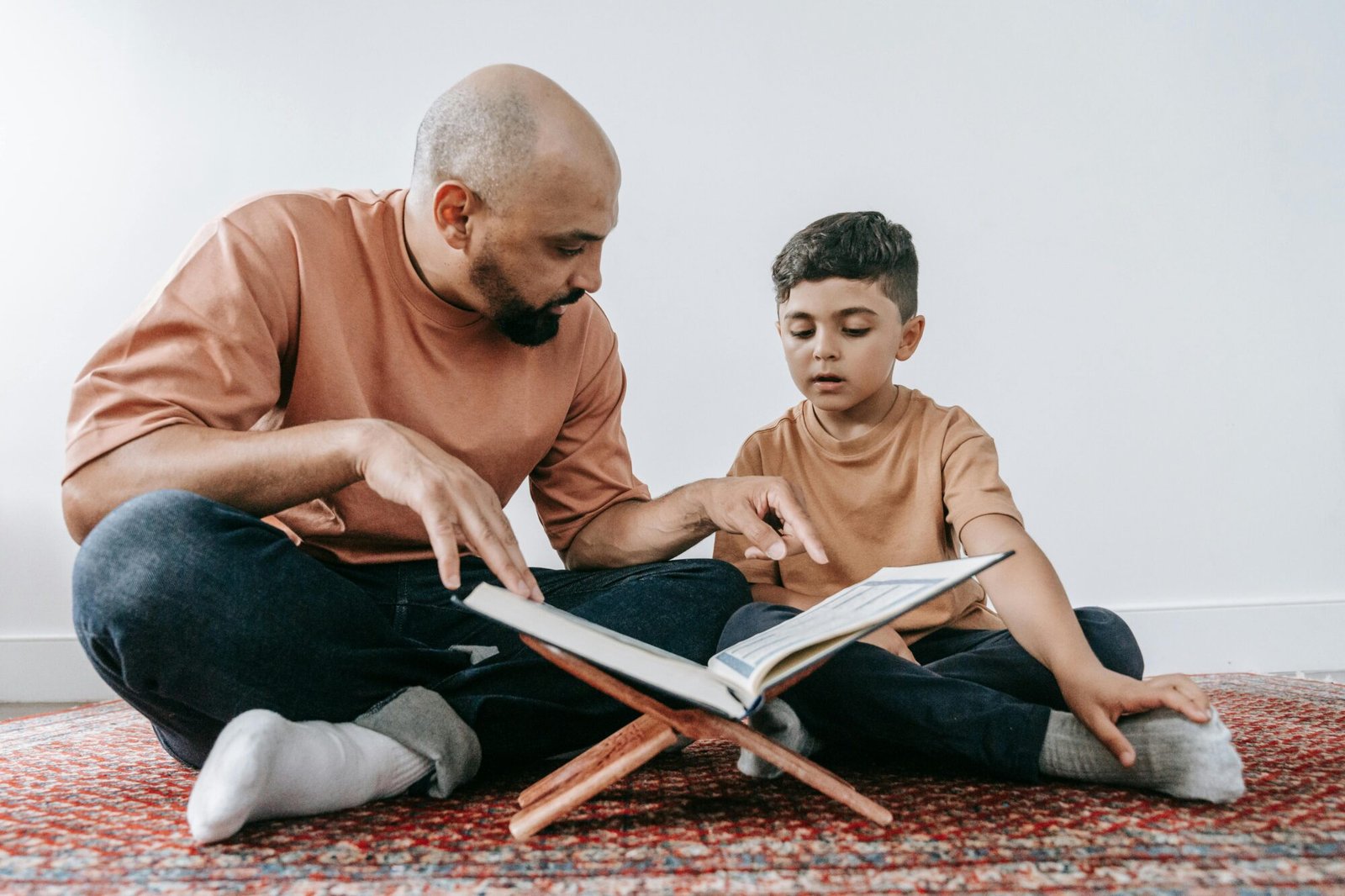

All children need encouragement and support to build self-worth and confidence. SA Homeschooling editorial team explains that for children with learning disabilities, this positive reinforcement is key to helping them persevere through challenges and recognise their unique strengths and talents.
As a homeschooling parent, you have a unique window into your child’s learning process. You see their moments of discovery and their periods of struggle. If you have noticed consistent challenges, you may wonder if your child has a learning disability. It is important to know that a learning disorder is not a problem of intelligence or motivation. Children with learning disabilities are not lazy; their brains are simply wired differently, which affects how they receive and process information.
While the journey can feel isolating, these challenges are extremely common. Understanding the common types of learning disabilities and knowing how to respond can make all the difference. This guide is designed to help South African homeschooling families navigate this path with confidence.
Five Common Learning Disabilities
“Learning disabilities” is an umbrella term for a variety of learning problems. Here are five of the most common ones found in children.
- Dyslexia: This is the most common learning disability and it affects reading and language processing skills.
- What it can look like: You may notice your child struggles to recognise common words, has difficulty sounding out new words, or reverses letters and numbers (like ‘b’ and ‘d’) long after their peers have stopped. They may also read slowly and struggle with comprehension.
- Attention-Deficit/Hyperactivity Disorder (ADHD): ADHD is a neurodevelopmental disorder that impacts a person’s ability to pay attention, control impulsivity, and regulate hyperactivity. It is the second most common learning disability diagnosed in children.
- What it can look like: In a homeschool setting, a child with ADHD may struggle to stay on task, frequently lose their belongings, interrupt lessons, or need to move around constantly.
- Dyscalculia: This learning disability affects mathematical skills, making it hard to understand concepts and perform calculations.
- What it can look like: Your child might have trouble with counting, recognising numbers, recalling basic maths facts, or understanding concepts like ‘greater than’ or ‘less than’.
- Dysgraphia: Dysgraphia affects a person’s ability to write. This can show up as trouble with spelling, poor handwriting, or difficulty putting thoughts on paper.
- What it can look like: You might observe an awkward pencil grip, a mix of cursive and print letters, messy handwriting, and a significant gap between their spoken ideas and what they are able to write down.
- Dyspraxia: This neurological disorder affects a person’s ability to plan and coordinate movement. It can impact both fine and gross motor skills.
- What it can look like: Challenges may include clumsiness, difficulty with tasks like tying shoelaces or using cutlery, and struggles with balance and coordination in physical activities.
What to Do if You Suspect a Learning Disability
If these descriptions sound familiar, taking a structured approach is helpful.
- Observe and Document: Keep a simple, dated journal of your specific observations. Note the challenges, the context in which they occur, and any strategies you have tried. This information is invaluable.
- Seek a Professional Assessment: The next step is to get a formal assessment from an educational psychologist. Organisations like the South African Association for Learning and Educational Difficulties (SAALED) can be a good starting point for finding qualified professionals. A formal diagnosis can provide clarity and open doors to the right support.
- Focus on Strengths: While you await a diagnosis, start focusing on what your child can do. Positive reinforcement is essential for helping them build a strong sense of self-worth and the confidence to persevere when things are tough.
7 Ways to Support Your Child
Parents play a huge role in helping a child with a learning disability succeed. The flexibility of homeschooling is a major advantage.
- Create an Individualised Programme: Homeschooling allows you to tailor an educational plan for your child. You can use strength-based learning, teach to their specific needs, and incorporate their interests into lessons.
- Find Resources and Support Groups: You and your child are not alone on this journey. There are many resources and groups available to help you learn more about parenting a child with learning difficulties.
- Maintain a Positive Outlook: Parents need a positive and objective view of their child’s disability. Remind your child, and yourself, that academic performance does not define a person’s worth or future success. Many people who struggled in school have gone on to achieve great things.
- Help Them Find a Hobby: A child needs an outlet where they can immerse themselves in their strengths and interests. Whether it is art, music, sports, or computers, a hobby allows them to see themselves as multi-faceted people, not defined by their difficulties.
- Focus on Effort and Perseverance: Children with learning disabilities are often criticised. Praise them for their hard work and effort. Studies show that praising effort motivates children to challenge themselves, even when they struggle.
- Plan for the Future: Help your child plan for adulthood by encouraging them to think about their strengths and interests when considering careers. Remind them that learning differently is not an indication of intelligence. Many colleges and work programmes have support systems for students who learn differently.
- Build a Sense of Community: Children with special needs can struggle to fit in. Help them feel a sense of community by partnering with a similar parent and child for activities or outings. Talk with your child and brainstorm some possibilities together.
Ultimately, homeschooling is one of the best ways to create an environment for your child filled with positive words, experiences, and people.
What strategies have you found helpful in your homeschool? Share your experiences with learning disabilities in the comments to support other parents. For more resources, please subscribe to our weekly newsletter.