
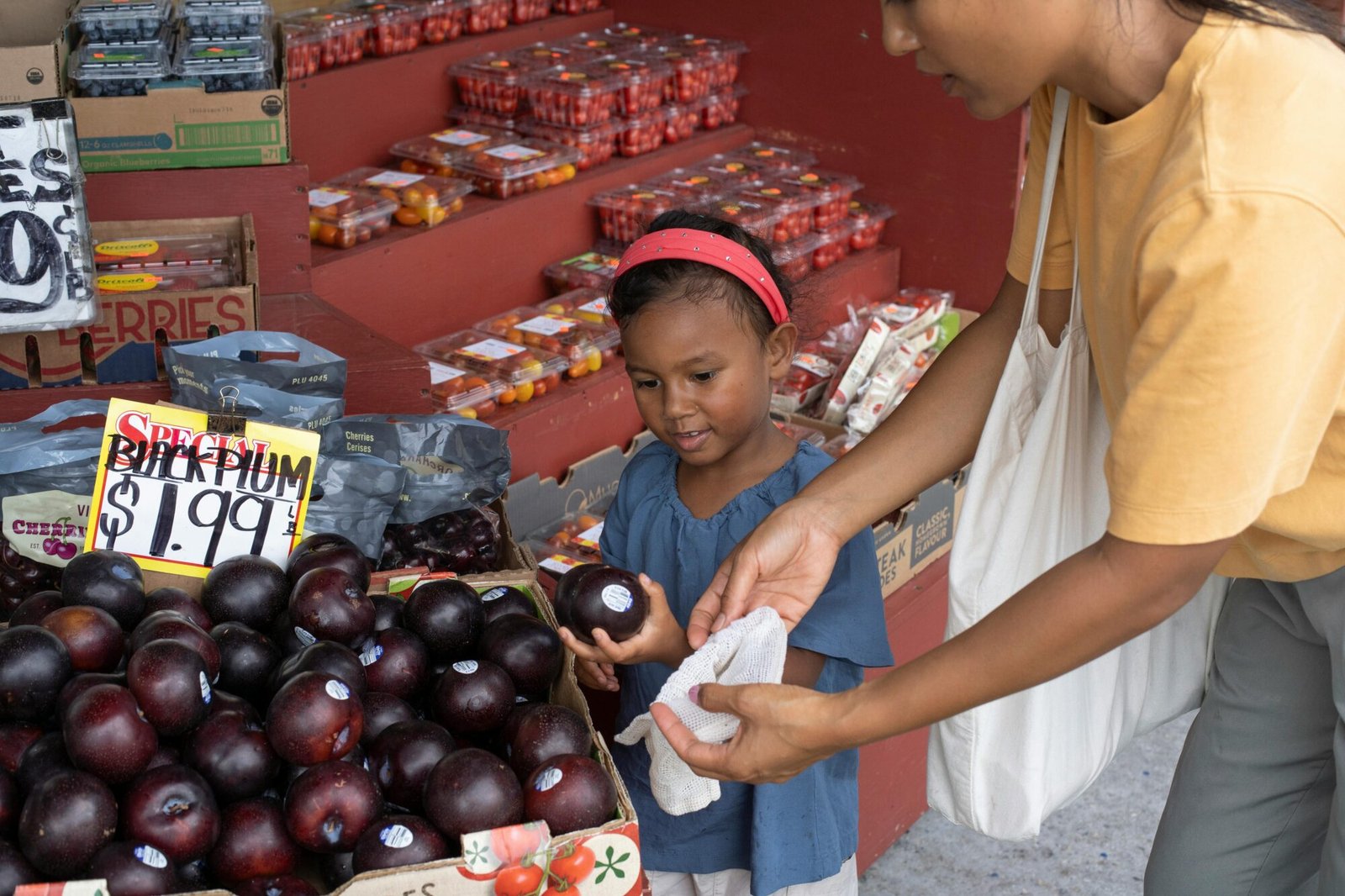

A child’s diet is a key part of their growth and learning, but misleading labels can be confusing. Dietician Mbali Mapholi explains how to read food labels correctly, helping you find a healthy nutritional balance and avoid hidden sugars and unhealthy fats in your child's food.
Ensuring your child has a healthy, nutritious diet is a primary role for any parent, especially in a homeschooling environment where focus and energy are essential for learning. However, complicated and often misleading marketing makes it difficult to know what is actually healthy. This guide will explain how to read food labels to make better choices for your family.
Mbali Mapholi, a registered dietician, explains, “There’s no doubt that the right nutritional balance is a key component of children’s growth and development, but it can be difficult for parents and caregivers to find this balance when they’re not always sure what’s in the food they’re serving”4. It is important that children get the right amount of vitamins, minerals, and healthy fats while keeping added sugars and sodium low.
Start with the Ingredients List
Before looking at the numbers, start with the ingredients list. Ingredients are listed in order of quantity, from most to least. As a general rule, check the first five ingredients on the label. If sugar, salt, or unhealthy fats are listed there, they are the main components of the product.
This simple check gives you a quick snapshot of the food’s quality. A long list of unrecognisable chemical names is also a sign that the food is highly processed and may not be the best choice for healthy eating for kids.
Uncover Hidden Sugars, Fats, and Salt
Food manufacturers use many different names for sugar, fat, and sodium, which can be confusing. Understanding these alternative names is a key step in learning how to read food labels effectively.
Read Food Labels to Check for These Common Aliases:
- Salt: It might be listed as baking powder, celery salt, MSG, rock salt, sea salt, sodium bicarbonate, sodium nitrate, or stock cubes.
- Fat: This can appear as beef fat, butter, shortening, coconut or palm oil, cream, lard, mayonnaise, hydrogenated oils, full-cream milk powder, or triglycerides.
- Sugar: The list of hidden sugars in food is long. Look for words ending in “-ose” like sucrose, glucose, fructose, and dextrose. Other names include corn syrup, high-fructose corn syrup, fruit juice concentrate, maltodextrin, and molasses.
Decoding the Nutritional Information Table
The nutritional information table provides the details you need. Here, you will often see two columns: “Per Serving” and “Per 100g”.
- Check the Serving Size: First, when you read food labels, look at the suggested serving size. Is it realistic for the amount your child will actually eat? Often, the stated serving size is much smaller than a typical portion. You may need to adjust the numbers in your head to reflect a real portion.
- Use the ‘Per 100g’ Column: The best way to compare products is to use the “Per 100g” column. This standardises the information, allowing you to make a direct comparison of sugar, salt, and fat content between two different brands of cereal, for example. The Heart and Stroke Foundation South Africa provides helpful tools and guidelines for using this column to make heart-healthy choices.
Read Food Labels to Understand Fats and Sugars
Not all fats and sugars are the same. Your child needs certain types for healthy development.
Good Fats vs. Bad Fats
Children need fats to grow, but too much saturated fat can affect long-term heart health.
- Saturated Fat: Look for foods with 1g or less of saturated fat per serving.
- Trans Fats: It is best to avoid trans fats completely. Check the ingredients list for “hydrogenated oils” or “partially hydrogenated oils,” as these are the main sources of artificial trans fats.
The Problem with Sugary Drinks
One of the biggest concerns for children’s nutrition in South Africa is the high intake of sugary drinks. According to Mapholi, fruit juices, cordials, and fizzy drinks contain significant hidden sugars.
Children between two and 18 should have no more than 25g (about six teaspoons) of added sugar per day. A single can of a fizzy drink can contain more than this entire daily limit. As Dr. Frank Hu of the Harvard Chan School of Public Health states, “There is clear evidence that added sugars, especially sugary beverages, contribute to obesity and other metabolic problems”. The
World Health Organization strongly recommends reducing the intake of free sugars for both children and adults.
For hydration, Mapholi urges parents to choose healthier options like water or rooibos tea.
What is your biggest challenge when teaching your children how to read food labels? If this guide was helpful, please share it with other parents. For more tips on healthy family living, subscribe to our weekly newsletter.