
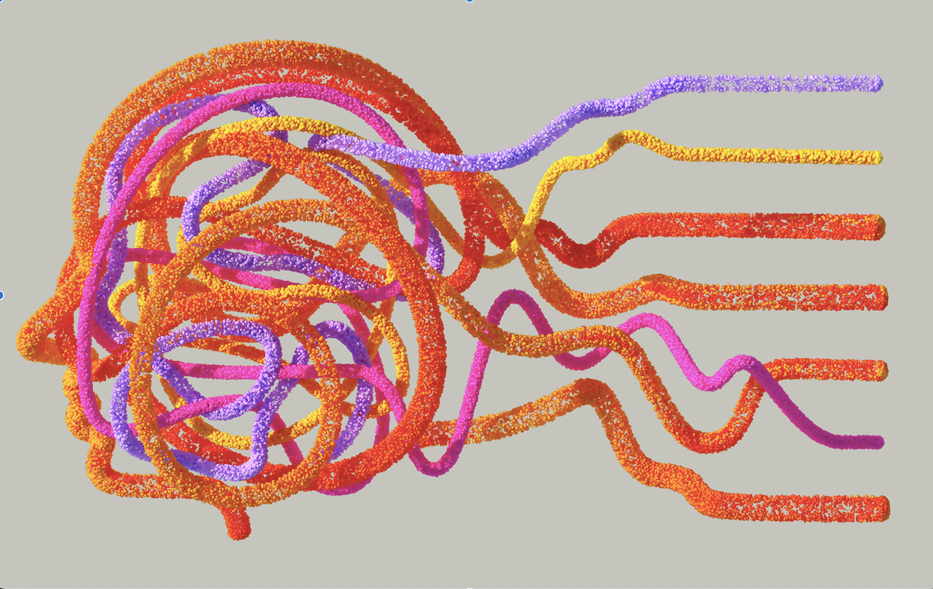

Understanding how the brain works can transform your approach to teaching. This article shares fascinating brain facts from BrainAbility, a partner of Brain Awareness Week, and translates them into practical insights and activities to support how your child learns, thinks, and grows in a homeschool environment.
As a homeschooling parent, you are in the unique position of being your child’s primary learning guide. Understanding the incredible organ you are teaching—the brain—can unlock new levels of educational success and excitement. Knowing how the brain learns for kids is not just for neuroscientists; it is practical knowledge that can shape your entire homeschool curriculum.
In celebration of International Brain Awareness Week (BAW), an annual global campaign, we are sharing some fascinating facts about our grey matter, courtesy of BrainAbility, a registered BAW partner for South Africa. Let’s explore these wonders and see how they apply to your daily teaching.
The Brain: Your Child’s Non-Stop Supercomputer
The brain’s capacity for work is truly astounding. These facts show just how powerful it is.
- Fact 1: Your brain never stops working, even when you are asleep. While you rest, it is busy consolidating memories and processing information from the day.
- Fact 2: On average, your brain processes about 70,000 thoughts per day.
- Fact 3: While you are awake, your brain consumes about 25 watts of power—enough to illuminate a lightbulb.
Why This Matters for Homeschooling: This constant activity highlights the importance of rest and “downtime.” A tired brain cannot learn effectively. Scheduling regular breaks and ensuring a good night’s sleep are as crucial to your homeschool schedule as maths or reading lessons.
The Brain’s Physical Makeup
The physical properties of the brain are just as interesting as its cognitive functions.
- Fact 4: 1.5kgs is the average weight of the adult human brain.
- Fact 5: 75% of the human brain is made of water.
- Fact 6: Your brain contains about 160,934.4 km worth of blood vessels, enough to circle the Earth about four times.
- Fact 7: Headaches are felt by nerves in the head and neck, not the brain itself as it lacks pain receptors.
Why This Matters for Homeschooling:
The high water content is a critical takeaway. Dehydration can significantly impact cognitive functions like concentration and memory. Keeping a water bottle handy during lessons is a simple but powerful way to support child brain development.
Neuroplasticity for Kids: The Brain That Changes Itself
This is perhaps the most important concept for any educator to understand.
- Fact 8: Your brain can be trained to perform better, remember more, concentrate better, and think faster. Scientists call this “neuroplasticity”.
Why This Matters for Homeschooling: This is the science behind the “growth mindset.” Neuroplasticity means your child’s intelligence is not fixed. Every time they learn something new or practice a skill, they are physically changing their brain, creating and strengthening neural pathways. You can explain neuroplasticity for kids by using the analogy of creating a path in the woods: the more you walk it, the clearer and easier it becomes to follow. This concept empowers children by showing them that effort directly leads to a “smarter” brain. For more on this, resources from sites like Scientific American offer great explanations.
How the Brain Learns: Brain-Boosting Activities for Homeschoolers
Knowing how the brain learns is one thing; putting this into action is another. Here are some brain-boosting activities for homeschoolers inspired by how the brain works:
- Practise Puzzles and Strategy Games: Activities like chess, Sudoku, and complex puzzles challenge working memory and processing speed.
- Learn a New Skill: Encourage your child to learn a musical instrument, a new language, or how to code. This is neuroplasticity in action.
- Use Spaced Repetition: Instead of cramming, review information at increasing intervals over time. This helps move knowledge from short-term to long-term memory.
- Incorporate Physical Activity: Exercise increases blood flow to the brain, which improves cognitive function. Make sure physical education is a daily priority.
Celebrating Brain Awareness Week in South Africa
Brain Awareness Week is a global campaign to foster enthusiasm for brain science. Founded 26 years ago by the Dana Alliance for Brain Initiatives, it has grown into a worldwide education initiative with thousands of partners in 120 countries. You can participate by exploring activities on the official Brain Awareness Week website and incorporating brain-themed lessons into your homeschool during the celebration each March.
By understanding the amazing grey matter you are teaching every day, you can better support your child’s unique and wonderful mind.
Do You Have Any Other Facts on How the Brain Learns?
What is your favourite fact about the human brain? Do you have any go-to brain-boosting activities in your homeschool? Share your ideas in the comments below!
If you found this article interesting, please share it with other curious parents and educators.
Subscribe to our weekly newsletter for more educational insights and homeschooling resources for South African families.