
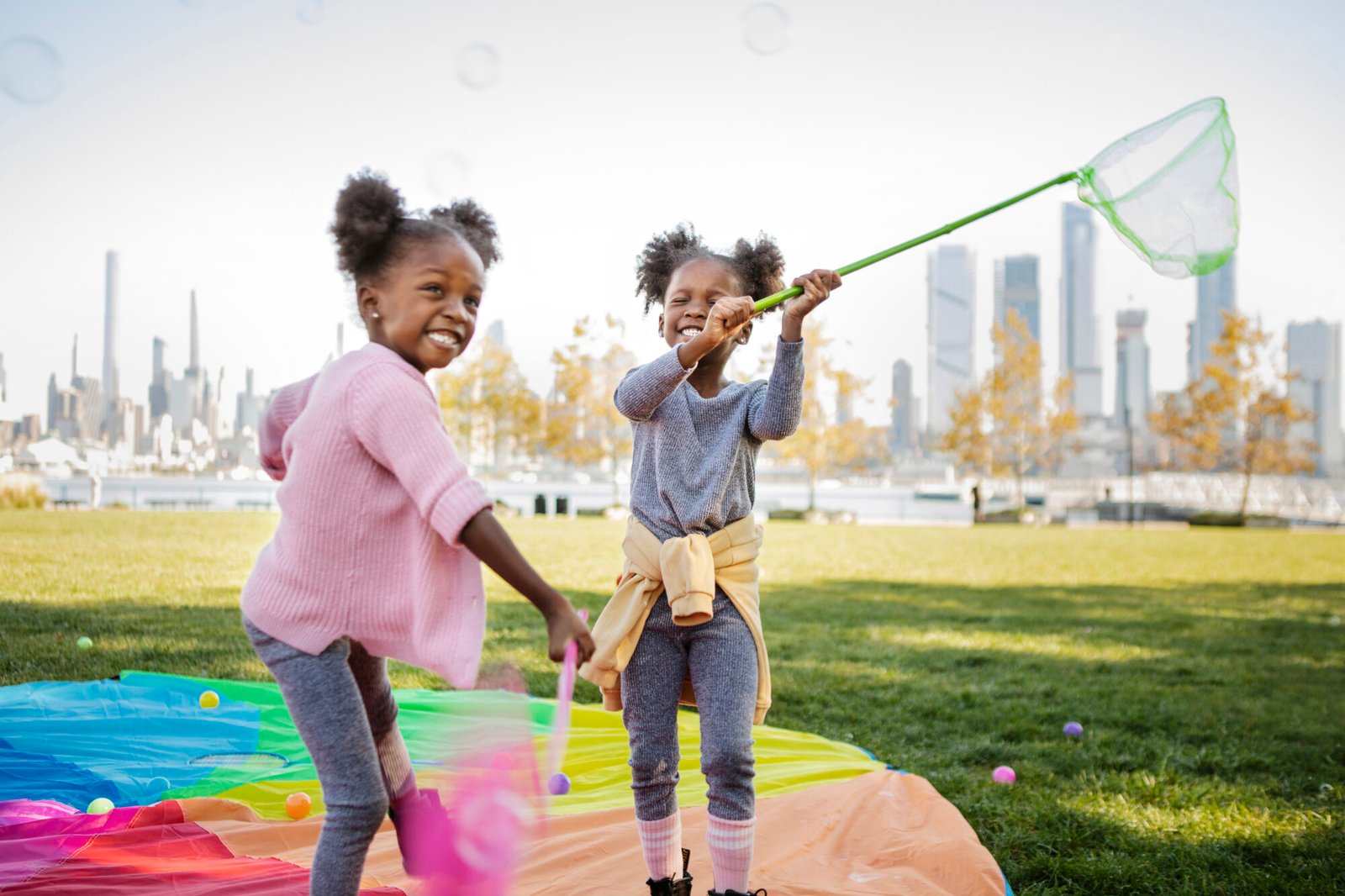

In the early years of education, understanding the nuances of childhood interactions is crucial. This article offers insights into what might seem like bullying in preschool, explaining that it is often children learning to navigate their social world and how we can guide them with empathy.
The early years of a child’s life are a whirlwind of discovery, especially when it comes to social interactions. For parents and homeschool educators in South Africa, promoting preschool social emotional learning is fundamental. Concerns often arise when little ones report unfair treatment by peers. “Worrying is natural, but it’s essential to understand that what may seem like bullying in preschool is often simply children learning to navigate their social world,” says Kelly Eyre, Quality and Pedagogy Lead at Dibber International Preschools.
This guide, drawing on Eyre’s unique blend of personal and professional insights, explores how to foster understanding and compassion in young children.
Understanding Early Childhood Interactions: Beyond “Bullying”
In preschool settings, actions that might be perceived as bullying are usually not repeated or intended to harm. These behaviours often stem from children trying to assert themselves, explore boundaries, or express their needs and feelings. At this tender age, they are still mastering the skills needed for positive interactions with their peers. What seems like a significant issue could be a crucial step in early childhood conflict resolution.
“Our vibrant South African classrooms celebrate a rich tapestry of cultures, languages and backgrounds,” Eyre notes. “While this diversity can sometimes lead to misunderstandings, it also provides a wonderful opportunity to teach empathy, respect, and inclusion.” This is particularly relevant for homeschooling young children’s social skills in diverse communities.
Common Behaviours and Their Roots
It is common for young children to exhibit certain social emotional behaviours as they learn.
- Snatching a toy or lightly pushing another child often occurs because children are unsure how to ask for a turn or express their feelings. This is a frequent challenge related to toddler sharing issues.
- Teasing or exclusion usually serves as a way for them to test social limits, rather than a deliberate attempt to hurt. While sometimes concerning, these behaviours are part of a normal learning process at this age.
Cultivating Self-Worth: The Foundation of Empathy
“Imagine if every child knew how valuable they are,” says Eyre. “This awareness can lay the groundwork for them to grow into caring individuals who positively impact those around them.” A key aspect of teaching empathy preschoolers understand is helping them recognise their own worth first. “When they understand their value, they’re more likely to treat others with kindness and respect.”
At Dibber International Preschools, educators guide children toward healthy social behaviours by modelling respectful interactions. They teach children to share, take turns, and use kind words, nurturing empathy by encouraging them to reflect on how their actions affect others. This approach aligns with positive South African parenting principles, which many homeschoolers embrace.
Strategies for Guiding Young Children‘s Social Emotional Learning
- Positive Reinforcement: Celebrating cooperative behaviour and acts of kindness reinforces that empathy and collaboration are important.
- Clear Boundaries: Establishing clear, consistent boundaries helps children grasp acceptable behaviour.
- Constructive Conflict Resolution: When conflicts arise, educators address them promptly and constructively, guiding children toward better ways to connect. Resources like Zero to Three offer excellent guidance on understanding and responding to toddler behaviour and conflict.
The Indispensable Role of Parents in Social Emotional Learning
“Parents are key players in this journey,” notes Eyre.
- Engage in Conversation: Discuss your child’s day, ask about their friendships, and talk about how they handle challenges to gain valuable insights.
- Role-Play Scenarios: Practising different scenarios at home can equip children with tools for positive interactions and responses to demanding situations. This is a practical way to work on early childhood conflict resolution skills.
- Consistency is Key: Consistency between home and school (or the primary learning environment) in encouraging these behaviours is essential.
For South African homeschooling families, creating a supportive micro-community or participating in co-ops can provide varied social interactions. Organisations like SmartStart, while focused on centre-based ECD, offer principles of quality early learning environments that can inspire home setups.
Creating an Environment of Understanding and Kindness
“Our goal is to foster understanding and compassion, helping children navigate the complexities of social interactions with confidence and kindness,” says Eyre. “By addressing early signs of bullying with empathy, we create an environment where every child feels valued and understood.”
“Together, we can nurture a generation that not only recognises their own worth, but also extends kindness to others, laying the foundation for a more harmonious and inclusive society.” This journey of preschool social emotional learning is about equipping children with lifelong skills.
What are your experiences with your child’s preschool social emotional learning, or what strategies do you find helpful in teaching social skills at home? Share your thoughts in the comments below!
Help other parents and educators by sharing this heartfelt perspective, and subscribe to our weekly newsletter for more insights into early childhood development in South Africa!