
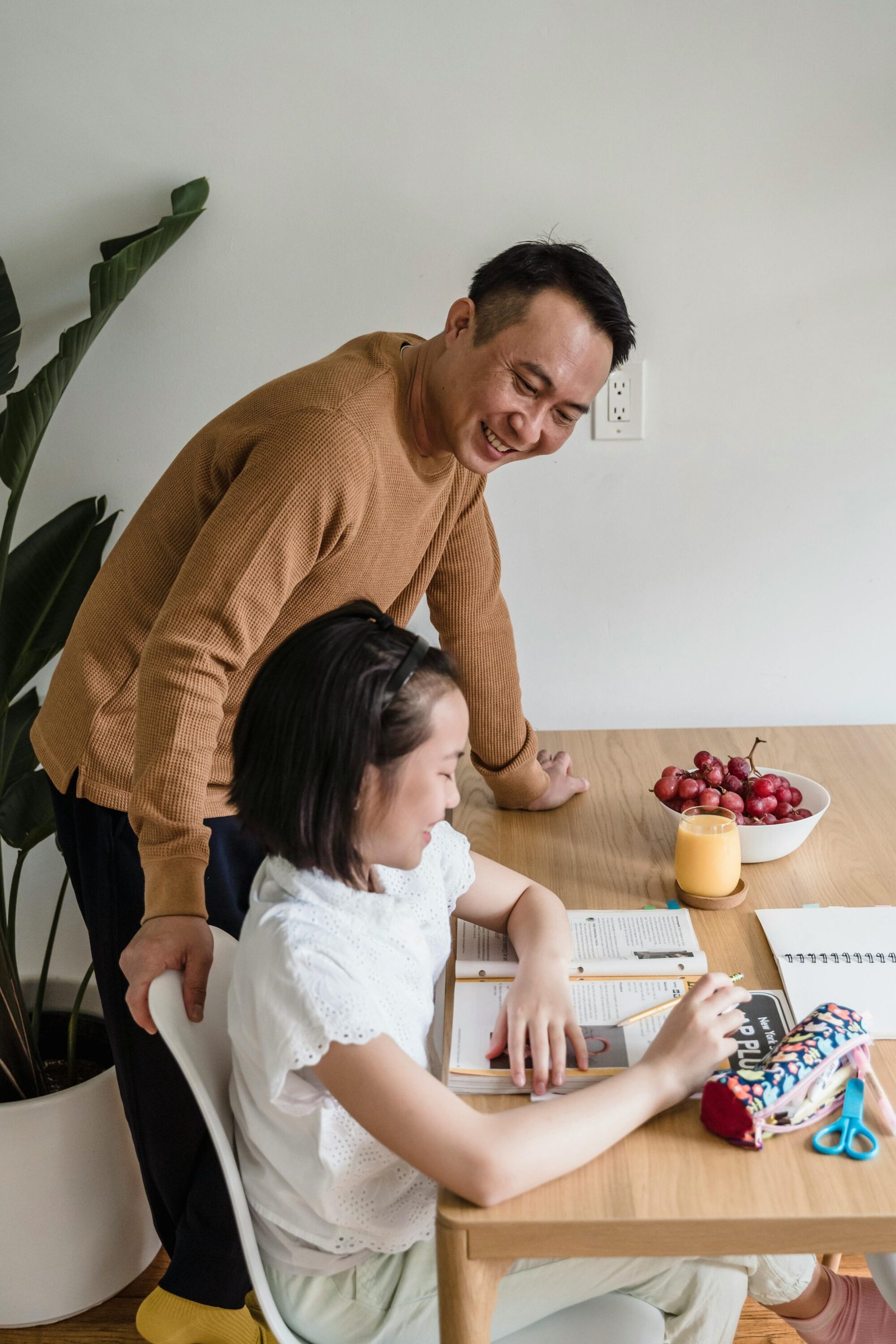

Academic success is becoming more important in the current economic environment. Competition for jobs and access to higher education grows increasingly intense. This article, drawing on insights from Dr Linda Meyer, MD at IIE Rosebank College, outlines how parental involvement can significantly support a child's academic performance, particularly within a homeschooling context.
The journey of homeschooling in South Africa offers a unique opportunity to tailor education to your child’s needs. A key element in this journey is understanding how to effectively support your child’s academic performance. Parental involvement is a significant factor in a student’s success. As Dr Linda Meyer, MD at IIE Rosebank College, states, “As parents, we’re pivotal in nurturing an environment that fosters learning and growth, so we should – especially in the foundational years – ensure that our children are given the correct support to mould and cement their approach to their educational journey.” This guide offers practical steps for parents to create a supportive framework.
Creating a Conducive Learning Space at Home
The foundation of successful homeschooling often lies in the environment you create. This goes beyond just a physical space; it includes the emotional atmosphere.
The Physical Study Area
“The home environment is where a child’s learning journey truly begins. Creating a space conducive to studying is essential,” says Meyer. For homeschooling parents in South Africa, this means designating a specific area for learning. This spot should be:
- Quiet: Minimise distractions from household noise or other siblings if possible.
- Organised: Keep learning materials tidy and accessible.
- Well-lit: Good lighting can reduce eye strain and improve focus.
- Comfortable: Ensure appropriate seating and desk height.
A dedicated learning zone helps children mentally switch into “school mode,” which can make a substantial difference in their concentration and, consequently, their child’s academic performance.
Positive Emotional Atmosphere: A Foundation for Academic Performance
A positive learning environment also includes emotional support at home. “Encourage open communication, celebrate achievements and approach challenges with a problem-solving mindset. Children who feel supported are more likely to be motivated and engaged in their studies,” Meyer adds. This means:
- Patience: Learning takes time, and every child learns differently.
- Encouragement: Acknowledge effort, not just perfect results.
- Open Dialogue: Discuss what they are learning, any difficulties they face, and their interests.
Nurturing a Genuine Interest in Learning
Academic success should not solely be about grades; it is also about cultivating a lifelong desire to learn. When learning is a joy rather than a task, a child’s academic performance will naturally improve.
Meyer suggests, “Encourage your child’s natural curiosity by exploring subjects that interest them beyond the classroom. Whether reading books, visiting museums or engaging in science experiments at home, fostering a sense of wonder and excitement about learning can help children develop a passion for knowledge.”
Homeschooling parents can:
- Connect lessons to real-world applications: Show how maths is used in baking or history in current events.
- Utilise local resources: South Africa has a wealth of museums, nature reserves, and historical sites that can serve as living classrooms. The Two Oceans Aquarium, for instance, offers educational programmes that can complement a homeschool curriculum.
- Follow their lead: If a child shows a keen interest in a particular topic, provide resources and opportunities for them to learn more about it.
Setting Realistic and Achievable Goals
While it is good to encourage children to aim high, setting realistic expectations is equally important. “High pressure can lead to stress and burnout, which are detrimental to academic performance. Work with your child to set achievable goals and break them into manageable tasks. Celebrate milestones along the way, no matter how small. This approach builds confidence and teaches valuable time management and organisational skills,” she says.
For example, instead of aiming to master an entire maths chapter in one day, break it down into smaller sections over a week. Celebrate the completion of each section. This method is particularly effective in a homeschooling setup where progress can be closely monitored and adapted.
The Significance of Active Parental Involvement in Academic Performance
Active parental involvement is a cornerstone of academic success. Meyer highlights that attending parent-teacher conferences (or in the homeschool context, regularly reviewing progress and curriculum effectiveness), monitoring assignments, and staying informed about a child’s progress is important.
“Engage in regular discussions about what they’re learning at school and show interest in their assignments. When parents are actively involved, children are more likely to take their studies seriously and strive to meet the expectations set for them,” she notes. In a homeschooling context, this means:
- Being present during learning hours: Even if not directly teaching every subject, be available for questions and support.
- Reviewing work together: Discuss corrections and areas for improvement constructively.
- Planning the curriculum jointly: As children get older, involving them in curriculum choices can increase their engagement. The Pestalozzi Trust, a South African homeschooling legal defence association, often advises on curriculum choices that align with legal requirements and a child’s learning style.
Developing Critical Thinking and Problem-Solving Abilities
Critical thinking is a fundamental skill that extends beyond formal education into all areas of life. Parents should encourage children to think critically by asking open-ended questions and discussing various topics and perspectives.
Meyer states, “Teaching your child to approach challenges analytically will equip them with the tools they need to excel academically and in life.”
Homeschooling provides many opportunities to develop these skills:
- Discuss current events: Analyse news stories from different viewpoints.
- Encourage “why” questions: Don’t just provide answers; guide them to find solutions themselves.
- Use project-based learning: Assign projects that require research, analysis, and creative solutions.
This approach helps improve a child’s academic performance by teaching them how to learn and think independently.
Parents as Learning Role Models for Academic Performance
Children often imitate the behaviours and attitudes of their parents. Modelling enthusiasm for learning and intellectual curiosity can significantly impact a child’s own approach to education.
“Whether reading books, discussing current events or pursuing a hobby, demonstrating a commitment to personal growth can inspire your child to adopt similar attitudes toward their education and life in general,” Meyer explains. If children see their parents reading, learning new skills, or engaging in thoughtful discussions, they are more likely to value these activities.
Furthermore, academic success is closely linked to emotional well-being. Parents should also encourage their children to develop strong social skills and emotional intelligence. While homeschooling, this can involve joining co-op groups, participating in community activities, or ensuring regular interaction with peers.
What strategies have you found most effective in supporting your child’s learning at home? Share your experiences in the comments below! We also invite you to subscribe to our weekly newsletter for more insights and resources for homeschooling families in South Africa.