
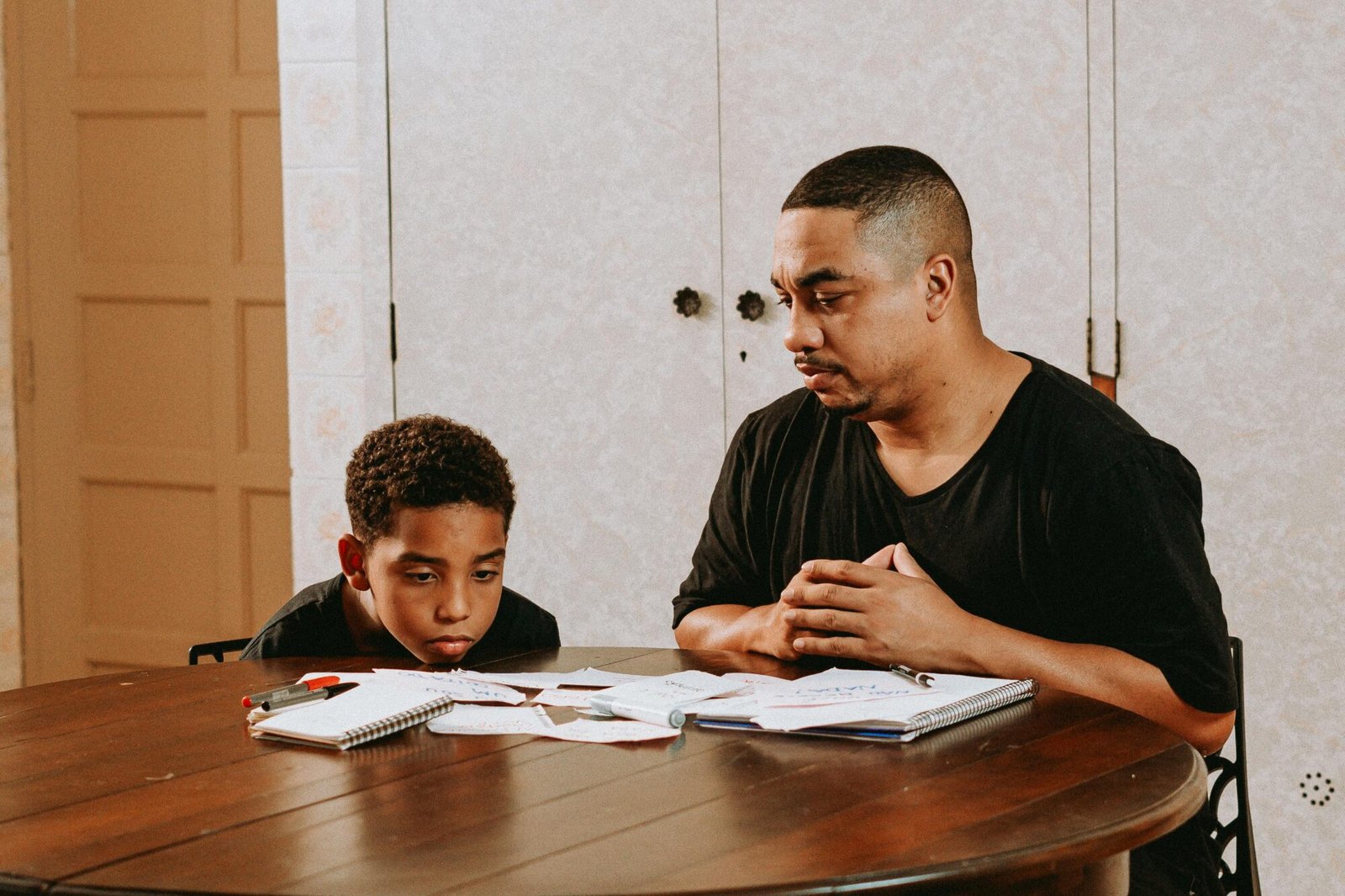

Procrastination is a common challenge, whether it is delaying projects or feeling overwhelmed by simple tasks. This article explores why children procrastinate, focusing on cognitive and executive function skills, and offers practical strategies for parents to help their children overcome it.
How to overcome procrastination is a hurdle many face daily – delaying a project, avoiding a difficult task, or feeling overwhelmed by even simple ones. If you are looking to help child overcome procrastination, understanding its roots is the first step. Many students describe the feeling succinctly: “It’s as if my body knows I should get started, but my brain refuses to do it”.
Dalena van der Westhuizen, cognitive development specialist and co-founder of BrainAbility, explains that the “fear of failure” is often cited as a major reason for delaying important tasks like studying or preparing a presentation. This article delves into the underlying skills that can make a difference and offers students and your family solutions on how to overcome procrastination.
The Unseen Skills: Cognitive and Executive Functions
Few people realise how much we rely on our cognitive skills (particularly logic and reasoning) and executive function skills (like organisation and planning) to overcome the frustration of procrastination.
The Role of Cognitive Skills in Procrastination
Cognitive skills are the mental capabilities we use to think, learn, and solve problems.
- Logic and Reasoning: These specific cognitive skills enable us to process information, analyse situations, and make decisions based on rationale rather than impulse. They involve thinking abstractly, understanding complex ideas, and solving problems by drawing conclusions from available evidence.
- Impact on Task Initiation: Individuals with strong logic and reasoning skills are better equipped to break down tasks into manageable steps, identify the best starting point, and foresee potential challenges. Conversely, those with weaker skills in this area might struggle to start tasks because they find it difficult to figure out where to begin or how to proceed logically. This difficulty can lead to a cycle of avoidance, where tasks are continually postponed because they seem overwhelming or unclear. Developing these abilities is key to helping improve cognitive skills kids need.
The Role of Executive Function Skills
Executive function skills, a subset of cognitive skills, include critical abilities such as organisation, planning, and impulse control. These skills help us manage and complete tasks efficiently.
- Working in Tandem: Cognitive skills and executive function skills work together, with cognitive skills providing the foundation for executive functions to organise and prioritise tasks.
- Impact of Underdevelopment: When either set of skills is underdeveloped, it can disrupt the entire process, leading to difficulties in task initiation and completion. A 2023 study in the Frontiers in Psychology journal reinforced this, demonstrating that students with stronger executive function skills were better at setting goals, breaking down tasks, and following through on them—key abilities that directly counteract procrastination. These are essential executive function strategies students can learn.
Three Practical Tips to Avoid Procrastination
If procrastination is a recurring challenge in your household, here are three strategies that have been shown to make a real difference:
- Chunking Tasks:
- Break larger tasks into smaller, more manageable segments. This makes it easier to start and maintain momentum.
- Encourage your child to tackle one chunk at a time, focusing on completing just one part before moving on to the next. For homeschoolers in South Africa, this could mean breaking a large history project into daily research questions or weekly summary paragraphs.
- Time-Blocking:
- Help your child use time-blocking: a technique where one allocates specific time slots to different tasks.
- This structure provides a clear plan, reducing the likelihood of procrastination due to overwhelm. A visual timetable displayed in the homeschool learning area can be very effective.
- Set Realistic Goals:
- When goals are specific and clearly attainable, your child can focus better on what needs to be done and by when.
- This structured approach not only helps maintain momentum but fosters a sense of accomplishment as they meet each milestone.
Preparing for Year-End Exams: Start Now!
With year-end exams approaching, here are actionable steps to help your child get ahead:
- Gather Past Exam Papers:
- Find out where your child can locate at least two previous exam papers (and memos) for each subject they are writing. Many South African provincial education departments or curriculum providers offer these online.
- Print them out for use as part of their study routine.
- Working through past papers helps your child familiarise themselves with the exam format, types of questions, and the level of detail required in their answers. This is a critical part of any exam study plan.
- Create a Physical Study Calendar:
- Have your child purchase or print out a physical calendar and write down their exam dates as soon as they receive them.
- Once they have the dates, they should work backwards from each exam date, subject by subject, and block out study time.
- They need to allocate sufficient time for each subject and be realistic about how long they will need to cover the material thoroughly.
- This visual representation of their study plan will help them stay organised and reduce the stress of last-minute cramming.
- Ask for Help Now:
- If your child is struggling, they should not wait until the last minute to get help.
- Whether it is a specific formula, a confusing concept, or general study advice, addressing these issues now will ensure that they are well-prepared and confident when exam time arrives. For homeschoolers, this might mean reaching out to a tutor, co-op teacher, or online support.
- Remember, asking for help early can make a significant difference in their overall exam performance.
Empowering Your Child Against Procrastination
Procrastination might feel overwhelming, but understanding how cognitive skills like logic, reasoning, and executive function play a role can make all the difference. By focusing on developing these skills through targeted training and practical parenting tips for procrastination strategies, you can empower your child to overcome procrastination and approach tasks with renewed determination and efficiency.
What are your biggest challenges when trying to help your child overcome procrastination? Share your experiences or effective strategies in the comments below!
For more insights on supporting your child’s learning journey, share this article and subscribe to our weekly newsletter for more resources tailored for South African families!