
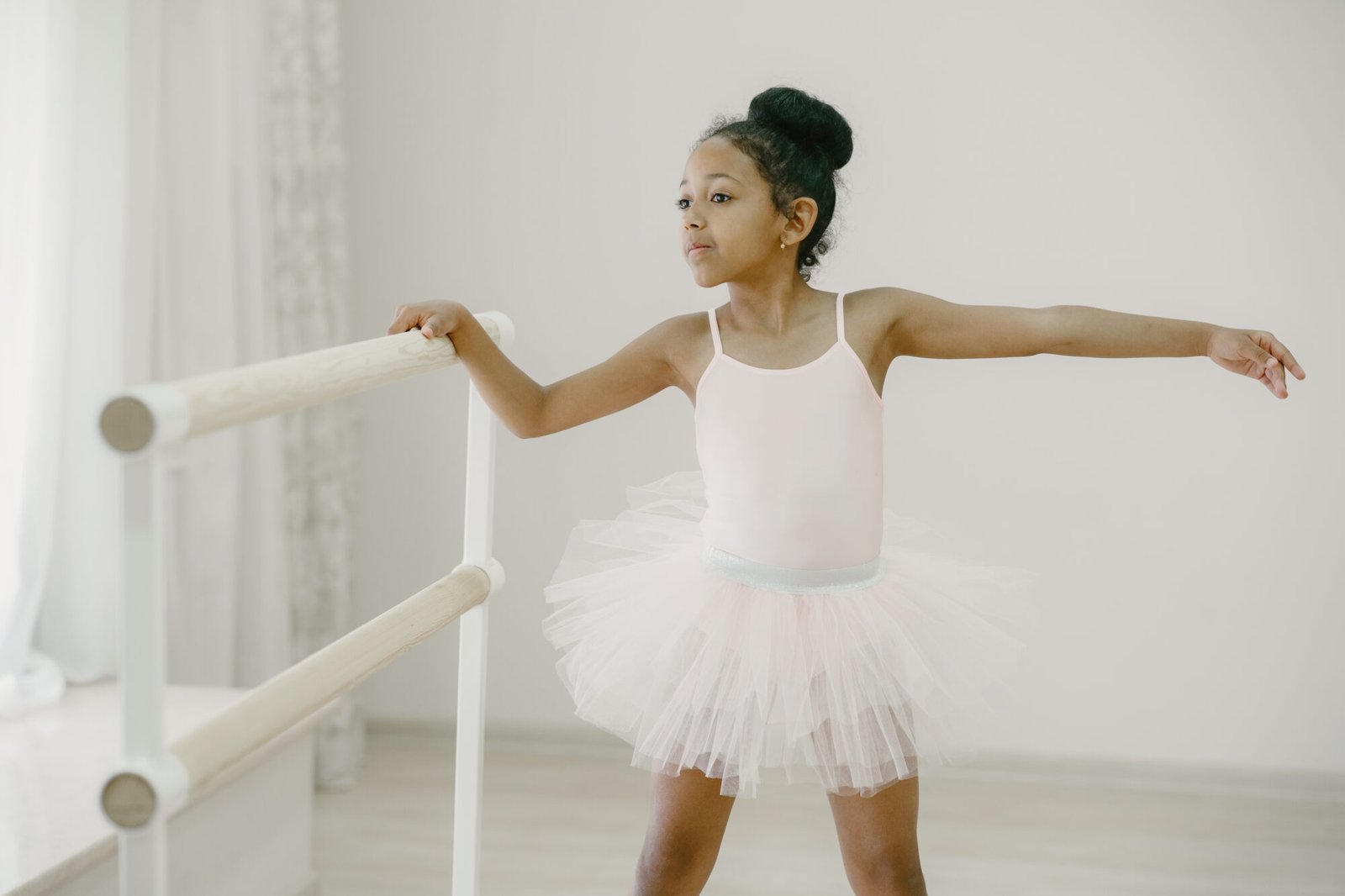

In this article the South African Homeschooling Magazine editorial team suggests dance as a fun and healthy activity for your child. With many types to explore in South Africa, dance allows children to increase their knowledge, skills, and understanding of the world.
South Africa has a rich history of using dance to express all aspects of life. From warriors with shields to miners performing gumboot dances, movement has always been important to our country’s peoples. Today, that tradition continues in studios and community halls nationwide, offering a powerful way for children to connect with themselves and the world. For homeschooling families, exploring the benefits of dance for children in South Africa can open up a world of physical, emotional, and cognitive growth.
With over 42 different styles of dance globally, the options in South Africa are extensive, ranging from ballet and ballroom to hip-hop, contemporary, and traditional forms. Beyond being a fun form of homeschool physical education, dance offers a holistic approach to child development.
Physical Development and Well-being
Dance is an incredible form of exercise that is so enjoyable children often do not realise they are having a traditional workout.
- Strengthens the Body: Dance develops cardiovascular health, muscle strength, stamina, and endurance.
- Improves Flexibility and Coordination: Enhanced flexibility and coordination can make children less prone to injuries. Good flexibility is important in day-to-day life, as it improves motor skills and allows the body to withstand more physical stress.
- Enhances Posture and Balance: Dancers learn to control their bodies and support their own weight, which is excellent for spinal strength. This leads to improved posture and balance, which is important for appearance and presentation later in life.
- Promotes Better Sleep: Dance is a great outlet for pent-up energy and can help children sleep better at night.
Emotional and Social Benefits of Dance
Most children enjoy and thrive in the dance classroom environment. It provides a unique space for emotional and social development.
- Boosts Confidence and Self-Image: As children’s physical fitness increases, they often feel better emotionally. Dance encourages them to release inhibitions and gain confidence, leading to a more positive self-image. According to Psychology Today, mastering physical skills directly contributes to a child’s sense of competence and self-esteem.
- Provides an Emotional Outlet: Exercise releases endorphins, which trigger positive feelings. Dance provides a healthy outlet for hyperactivity and anxiety, which can improve a child’s general mood.
- Develops Social Skills and Teamwork: Dancing with others helps children make new friends and improve their social skills. Many genres require performing in pairs or groups, which encourages cooperation and a feeling of inclusivity.
Character Building and Cognitive Skills
Dance is a perfect outlet that balances freedom of movement with instruction and rules.
- Sparks Creativity: As children learn choreography, they learn to express themselves by moving their bodies. It teaches them to think outside the box and can inspire them to improvise their own steps.
- Teaches Discipline and Work Ethic: Achieving goals in dance, whether mastering a new step or preparing for an exam, requires hard work. This teaches children a valuable work ethic.
- Builds Perseverance and Resilience: Dance teaches children that when challenged, they must keep trying and practicing to succeed. If a child struggles academically, dance can help them become more self-motivated and disciplined.
- Improves Time Management: Children actively participating in dance classes teaches them to be punctual. These time management skills will help them achieve their goals in other areas of life.
Finding The Benefits of Dance in Your Community
For homeschooling families looking to get started, many options are available. Look for private studios in your area, check community centre schedules, or even explore online classes. Organisations like the South African Dance Foundation (SADF) can also be a valuable resource for finding accredited schools and events.
Subscribe to our weekly newsletter for more stories and advice on the South African homeschooling journey.